
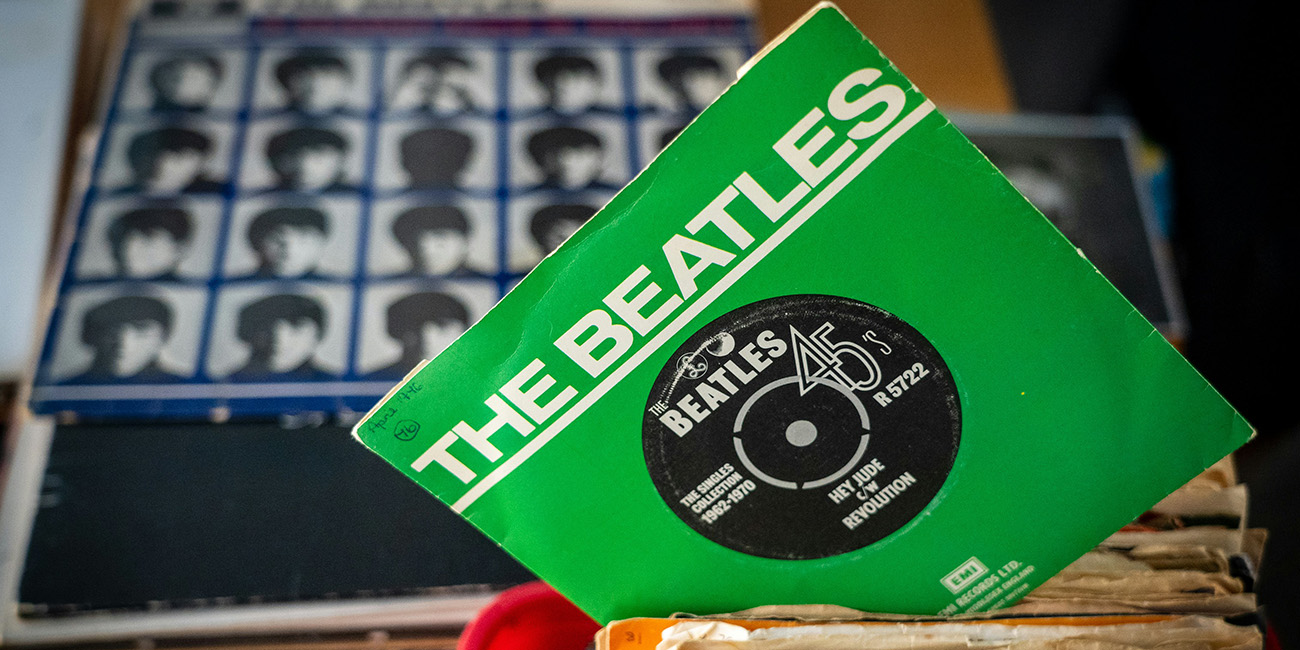
Cannabis has long been connected with creativity in music. It opens new brain pathways, enhances the senses and offers fresh perspectives. For decades, musicians across genres have used it to push boundaries and unlock innovative sounds. Whether sparking inspiration or aiding relaxation, weed remains key in many artists’ creative process today.
Historical Influence of Cannabis on Music
The link between cannabis and music dates back to the 1960s counterculture movement. Musicians used it not only for recreation but also to boost creativity and expand their artistic vision. It became common in genres like jazz, blues and rock.
Cannabis and the Counterculture Movement
Many iconic artists from that era, including The Beatles, Jimi Hendrix and Janis Joplin, openly spoke about their use of weed and how it helped them create some of their most memorable work. The rise of cannabis seeds availability led to more experimentation and played a key role in the birth of psychedelic rock, a genre known for experimental sounds and mind-bending lyrics.
Impact on Iconic Artists
Weed influenced musicians by allowing them to move beyond standard song structures and explore new sounds and lyrical themes. This shift changed music during that time. It inspired more immersive melodies and sparked innovative creativity.
Scientific Insights: How Cannabis Affects the Brain
Cannabis contains compounds like THC and CBD that interact with the brain’s endocannabinoid system. One popular strain, Insane OG from Barney’s Farm, is known for its high THC content. THC, in particular, is recognised for its psychoactive effects, which can alter perception and mood.
The Role of THC in Creativity
Research shows that weed, especially its compound THC, can promote a flow state, where creativity increases and ideas come more easily. Many musicians say it helps them concentrate deeply on their music. This heightened focus leads to innovative sounds and compositions. As weed gains mainstream acceptance, studies continue to explore its impact on creativity and artistic potential.
The Endocannabinoid System and Music Production
The endocannabinoid system plays a significant role in regulating mood, memory and creativity. Cannabis affects this system by altering mental states and helps musicians access unique ideas. This ability to enter different creative modes and try new concepts explains why many artists use weed during their creative process.
How Musicians Use Cannabis in Their Work
For many musicians, weed plays a key role in their creativity. Some use it to overcome creative blocks, while others find it helps them focus and enter a flow state. It offers a fresh perspective that sparks new ideas and innovative sounds.
Enhance Focus and Flow States
Some musicians say cannabis helps them explore sounds more freely. Producers often use it to discover tones they might not try otherwise. Whether in the studio or on stage, it encourages creative freedom without limits.
Break Creative Blocks
Weed may help artists connect with music on a more profound level, whether it’s creating something entirely new or finding unique ways to express existing ideas. In this sense, it's seen not only as a stimulant but as a conduit for artistic flow.
Unlock New Sounds
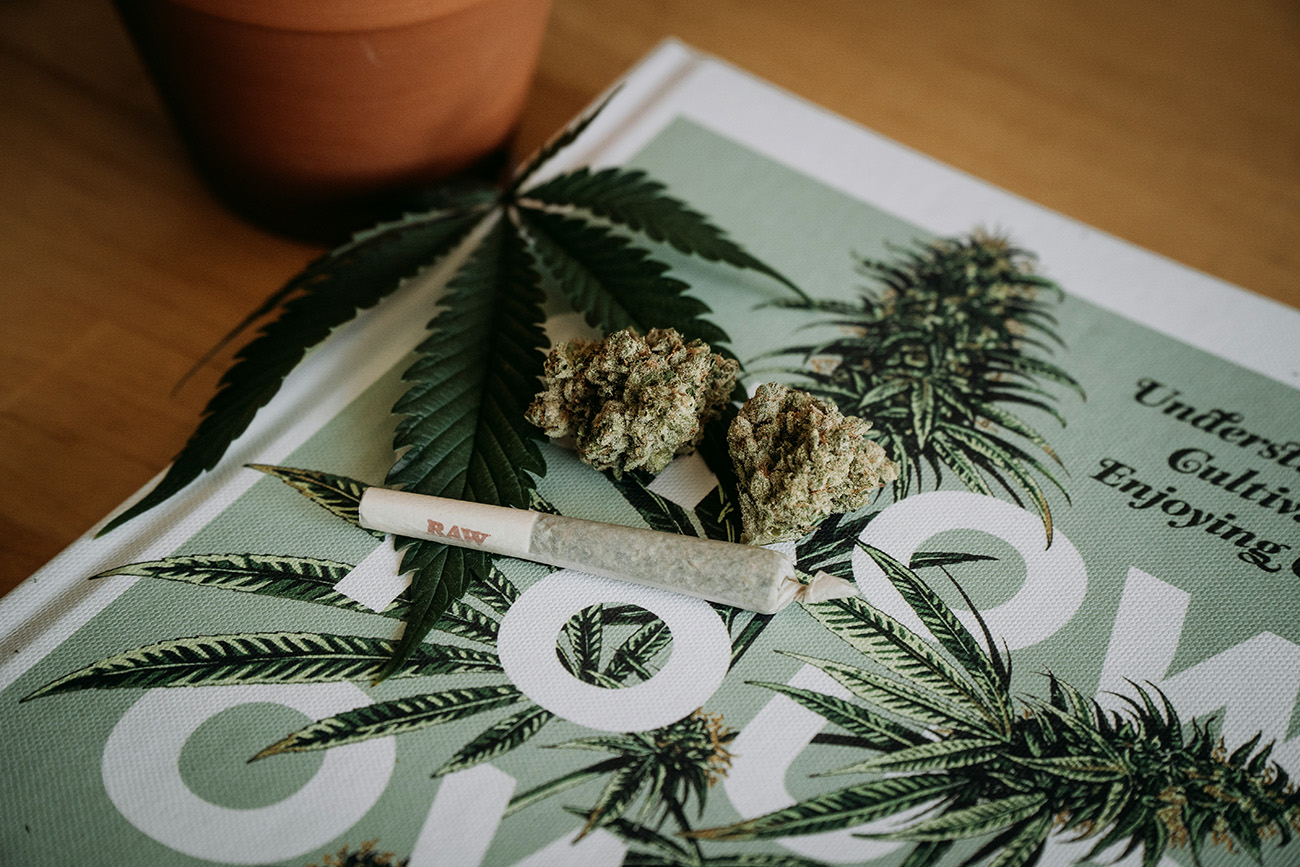
Cannabis acts as a powerful tool for experimentation. Many artists break traditional methods and develop more innovative sounds with its help. It encourages unconventional thinking, which leads to unique soundscapes and arrangements that artists might miss otherwise.
Genres and Cannabis: A Symbiotic Relationship
Different music genres have embraced weed for various reasons. Hip-hop, for example, has a deep connection with its culture. Since the genre began, artists have used it as a symbol of rebellion, freedom and creative expression. Cannabis also plays a key role in the lifestyle of many hip-hop artists and helps set the mood for writing and performing.
Psychedelic rock emerged in the 1960s with strong ties to weed. Bands like Pink Floyd used it to explore new sounds and ideas. It shaped the genre’s experimental nature and encouraged musicians to push creative boundaries.
Cannabis also enhances the experience of electronic music. It helps artists explore complex layers, beats and textures. Over time, the relationship between weed and electronic music has grown and now forms an integral part of the genre culture and creative process.