
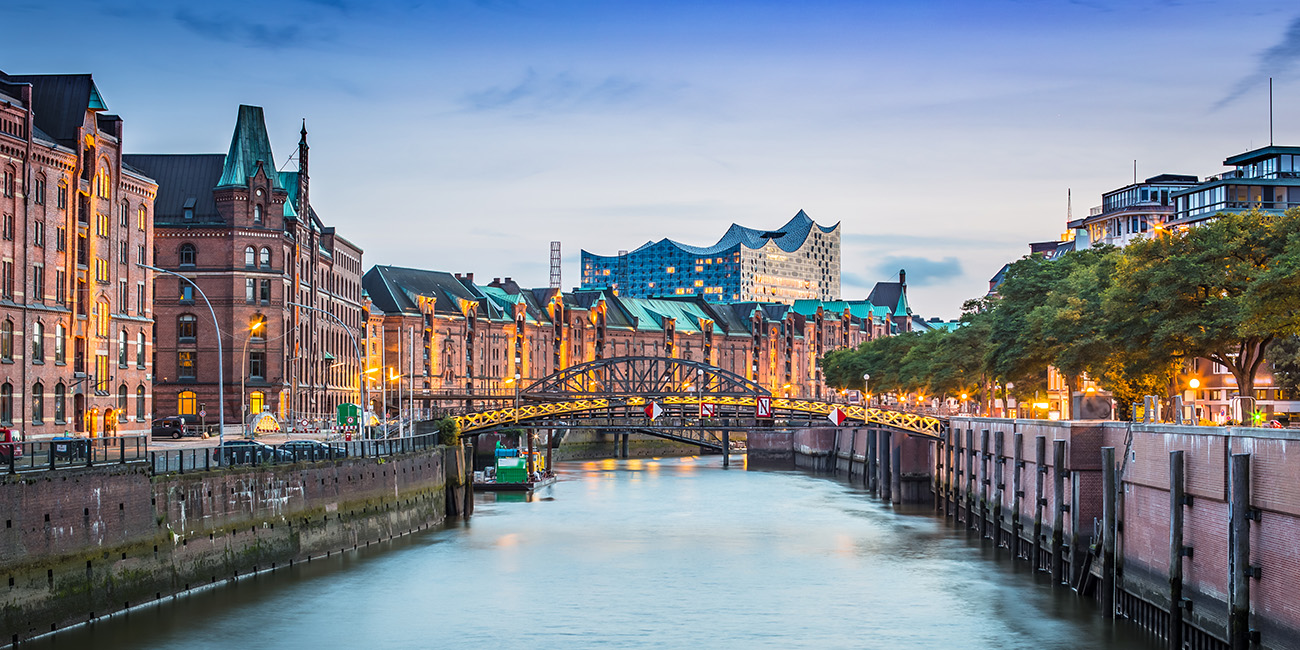
Scottish football fans and away trips are not just about long nights on trains and colorful jerseys in foreign cities but are the epitome of a lived football passion that transcends borders. For many supporters, the adventure begins with the decision to follow their team across national borders. From the historic streets of Glasgow to the bustling nightlife of Hamburg: the fans’ journey is more than just a route to the next match. It is a social, cultural, and emotional event that creates identity and connects people across generations. What drives Scotland’s loyal fanbase time and again, and why are away games like those in Hamburg so special? A look behind the scenes of one of Europe’s most impressive fan cultures reveals motives, traditions, and modern developments that together create a unique picture.
Historical Background and Identity of Scottish Fan Culture
The history of Scottish football culture goes back a long way, shaped by industrialization, social change, and colonial history. As early as the late 19th century, football clubs were formed in cities such as Glasgow, Edinburgh, and Aberdeen, quickly becoming central meeting places for the working classes. Football offered a distraction from the harsh everyday life, but also a platform for pride, belonging, and solidarity. From this emerged a fan identity that relies less on consumption and more on community and tradition. Compared to many other countries, Scottish fan culture is characterized by down-to-earth charm, warmth, and rough humor.
Many Scottish fan groups still define themselves by their local roots and pride in their own neighborhood or city. Legendary clubs such as Celtic, Rangers, or Aberdeen are not just sports clubs but symbols of social identity. They unite people of different origins through one common goal: unconditional support for the team. This deep collective connection explains why so many loyal supporters embark on long away trips and feel at home even in foreign cities. The roots of Scottish football fans and away trips thus go deep into history and still shape the DNA of every bus trip, every fan chant, and every shared beer after the match.
Passion, Tradition and Rivalries in Scottish Football
Hardly any other nation lives football as emotionally as Scotland. Here, the game on the pitch is often a surrogate stage for historically grown rivalries, regional characteristics, and established traditions. Legendary duels such as the Old Firm between Celtic and Rangers move entire cities and bridge themes ranging from religious to political to cultural.
The passion is reflected not only in loud chants and creative choreographies but also in a self-image that constantly reaffirms itself. Each generation of fans takes on the traditions of the previous one, develops them further, and integrates them into modern everyday life. Away trips, whether to nearby Aberdeen or distant Hamburg, are lived rituals. They strengthen solidarity, keep old stories alive, and create space for new legends. The mix of pride, local patriotism, and a pinch of self-irony makes up the special charm of Scottish football fans and away trips. This explains why the desire to travel remains unbroken even after decades.
Reasons and Motivation Behind Long Away Trips
Why do thousands of Scottish fans endure long distances and sleepless nights just to support their team away once more? The answer lies in a unique mix of loyalty, sense of adventure, and the quest for unforgettable experiences. For many, being on the road is an expression of true devotion and a way to actively show their pride and bond with the club.
In addition to pure sportsmanship, encounters with like-minded people, exchanges with other fan groups, and discoveries beyond their own horizons are enticing. Some see away trips as an escape from everyday life, as a weekend full of joy and community. Others are on the hunt to complete their very own personal football map, on which every stadium, every pub, and every new city represents a trophy. For quite a few, the journey itself is the goal. Singing together on the train, planning the route with friends, or looking forward to the first beer in a foreign fan district are all part of it. This deep-seated need for community and adventure is the true driving force behind the long away trips of Scottish football fans.
Hamburg as an Away Destination: Lifestyle and Entertainment
Hamburg has long been one of the favorite destinations for Scottish football fans. The northern German metropolis impresses with a unique mix of Hanseatic serenity, cosmopolitan city life, and vibrant football tradition. For many traveling supporters, it is far more than just a “matchday in Germany,” as Hamburg offers live music, craft beer, a rustic harbor scene, and historic districts. Neighborhoods such as St. Pauli are as popular for their alternative culture as classic sights like the Reeperbahn or the harbor.
Away from the stadium, concerts, street markets, and culinary hotspots from fish sandwiches to street food are enticing. The nightlife is legendary, and the openness of the people of Hamburg is unmatched – especially for Scottish visitors who like to turn night into day after the game. Those who wish can mingle with locals, book suitable company via Escort Hamburg, listen to harbor sounds, or strike up conversations with international football tourists. Hamburg thus opens up space for personal rituals, new acquaintances, and a lively party atmosphere that makes many an away trip unforgettable.
Logistics, Safety and Planning of the Journeys from Glasgow to Hamburg
An away trip from Scotland to the European mainland requires not only conviction but also organizational talent. Many fan groups prepare such tours for weeks. This includes choosing the means of transport – from cheap flights to shared buses to adventurous road trips in private cars. Especially for games outside Great Britain, such as in Hamburg, the logistical effort is considerable. Tickets, hotels, and travel arrangements often have to be coordinated long in advance, as high demand and limited contingents require quick decisions.
The safety aspect should not be underestimated: cooperation with clubs, the police, and local security services is essential to avoid conflicts and ensure a peaceful process. An information infrastructure, for example for short-term changes, is as natural today as emergency plans for incidents. For many fans, this intensive preparation is just as much part of the experience as the actual game, because those who travel far want to be prepared for everything and enjoy the time together in a relaxed way. Pragmatic checklists, digital group chats, and tried-and-tested route planning are almost part of the permanent inventory of the modern Scottish fan scene.
The Influence of Digital Media and Social Networks on the Fan Experience
Just a few decades ago, organizing a fan trip was a matter of phone calls, flyers, and word of mouth. Today, digital media and social networks are the heart of every fan community. WhatsApp groups, Facebook events, or special apps ensure lightning-fast, targeted information and enable flexible coordination even in the event of short-term changes. Photos and videos from the fan sections spread across Europe within seconds and create an immediate sense of community that was previously only felt in the stadium.
Personal experiences are shared live, legendary moments immortalized in Instagram stories, and emotional victories celebrated on Twitter. Digitalization has given Scottish football fans and away trips a new dimension: everyone can be part of the story, the experience no longer ends at the stadium gates. At the same time, online platforms also serve as contact points for travel tips, safety warnings, or spontaneous ride shares. In this way, social media connects classic fan experience with the possibilities of the digital age and strengthens solidarity across national and generational boundaries.
Community Platforms and the Cohesion of Scottish Fans
What keeps a fan scene together over decades and thousands of kilometers? In Scotland, the answer is: community. In addition to official fan clubs, independent platforms are becoming increasingly important. Forums, blogs, or specialized Facebook groups are the heartbeat of collective passion. This is where ride shares are arranged, accommodations shared, and tips about the best pubs or local specialties exchanged in abundance. The interaction is open, direct, and helpful – especially when newcomers are planning one of the legendary away trips.
These digital communities grow almost organically. Every new member brings friends and family, every new post sparks another discussion. Particularly noteworthy is the inclusive character: regardless of age or social background, one thing counts here above all – the love for the club. These communities often give rise to real friendships that last for years and many trips. In this way, a network emerges that goes far beyond individual matches and preserves the human core of Scottish football even in the modern age.
Scottish Football in International Comparison
How does Scottish fan culture compare to other football nations? While commercialization, superstars, and eventization dominate elsewhere, Scotland’s fans maintain and preserve traditions and authenticity. Of course, there are modern stadiums, merchandising, or VIP boxes here as well, but the heart still beats in the stands, on the terraces, and in the pubs. Even at international matches, many rituals remain unchanged: singing together, fan exchanges, and respectful interaction with hosts.
Scottish football fans and away trips are often perceived internationally as particularly passionate and creative. Whether at tournaments such as the UEFA Champions League or the special “Euro trips” of selected clubs, the image is shaped by enthusiastic, friendly, and sometimes surprisingly self-ironic supporters. Their unwavering humor, musical talent, and willingness to cross cultural boundaries ensure that Scottish fan sections stand out in almost every foreign stadium. This often brings joy to the locals – and sometimes mild, friendly teasing. Compared to some Southern or Eastern European scenes, Scotland relies on a sense of community and respect, making away trips a positive experience for everyone involved.
Authentic Fan Experiences and Personal Stories
Behind the big numbers and colorful images are often moving personal stories. Scottish fans frequently recount how their father once took them to their first away game or how they met their best friend for life on a European trip. They remember long bus rides through rain and fog, unexpected helpfulness in foreign cities, or fan chants that lasted until dawn.
Experiences of particularly great away days play a central role and enrich the vibrant culture of anecdotes. Some tell of encounters with local Hamburg fans that led to spontaneous friendships or of magical moments when their own team achieved a surprise victory in a foreign arena.
What these anecdotes have in common is often not just the match result, but the feeling of being part of something bigger. They are embedded in a community where courage, wit, and zest for life are constants.
Such stories circulate as inside jokes, emotional photo collections, or legendary travel anecdotes within the community. They motivate the next generation and keep the unique culture of Scottish football fans and away trips alive.
Practical Tips for Smooth Away Trips
Those planning the journey from Glasgow to Hamburg should keep key points in mind to avoid unnecessary stress. Buying tickets early – for the match, train, or flight – pays off, especially for internationally sought-after matches. Planning together in groups saves costs, ensures safety, and prevents individuals from getting lost on the way. Accommodation near the stadium offers advantages, as does researching local fan meeting points, public transport, and specific safety rules in advance.
Important documents, digital travel papers, and emergency contacts should always be at hand. Experience also shows that making reservations in restaurants and pubs is wise, as popular spots fill up quickly on match days. Those who bring respect for local customs, openness to cultural differences, and a bit of flexibility usually make the best of even unplanned situations.
And finally: a small stock of Scottish goodies opens doors everywhere and sparks conversation – whether it’s shortbread or a scarf in club colors.
Conclusion: Scottish Football Fans and Away Trips as Lived Passion
The long journeys of Scottish football fans to away games like those in Hamburg are far more than mere trips. They are an expression of deep passion and a culture that brings people together, bridges differences, and keeps history alive.
Through a combination of tradition, organization, digital progress, and unforgettable experiences, a unique dynamic emerges that makes Scottish football remarkable worldwide. Anyone who has ever made the journey from Glasgow to Hamburg in the name of football knows: every game is a piece of lived identity and a celebration of community – no matter what the final score is.