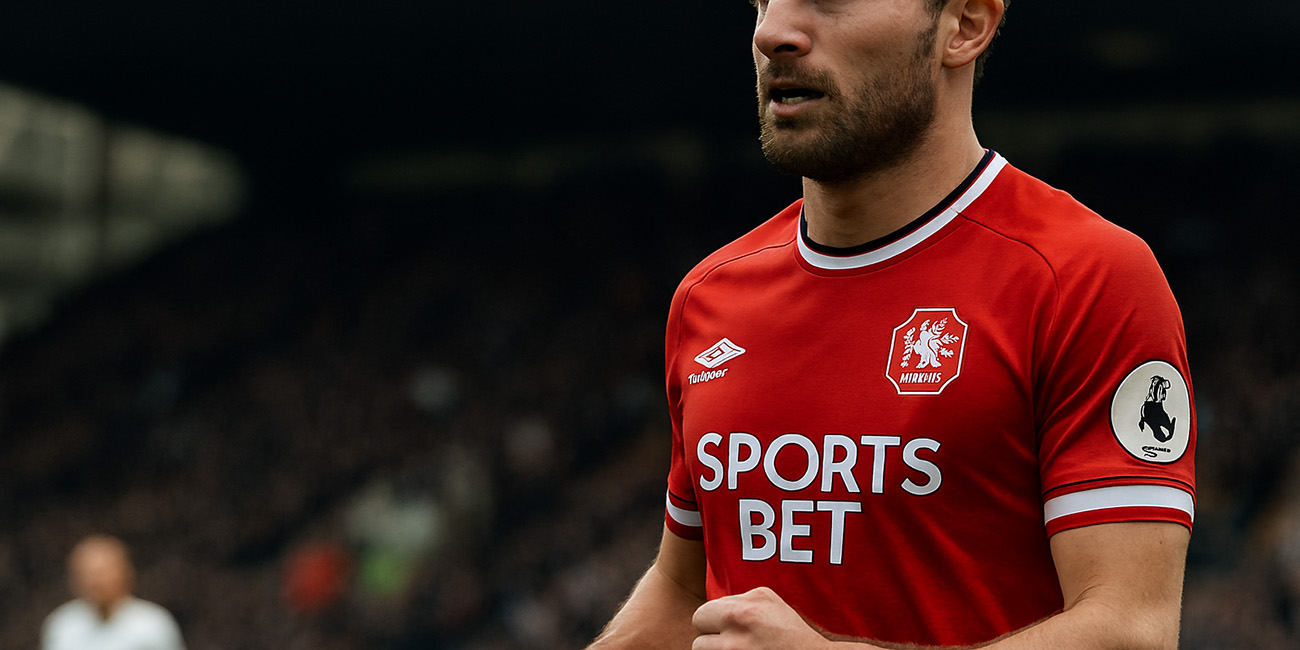
The Premier League is finally drawing a line. From the 2026/27 season, Premier League teams will have to drop gambling brands from the front of their shirts. The decision came after growing public and political pressure to reduce the visibility of gambling in football. But let’s be clear, it’s not a blanket ban and gambling brands aren’t going away.
They’re just moving.
What’s Changing And What’s Staying
Here’s the thing: clubs can still show gambling logos on shirt sleeves, training wear, pitchside boards, and in-stadium displays. Only the front of the matchday shirt is affected by this voluntary rule. It’s a middle-ground approach that seems to avoid government legislation, but still signals some level of reform.
Eight Premier League clubs had betting companies on their shirts during the 2022/23 season. That included Everton with Stake.com, West Ham with Betway, and Bournemouth with Dafabet. By 2026, that type of visibility is off the table. But the brands behind those names? They’ll still be in the stadiums.
Why It’s Happening Now
In April 2023, a UK government’s gambling white paper criticised the deep relationship between football and betting while mental health groups and campaigners raised concerns over how normalised gambling had become in the sport - particularly among younger audiences.
A YouGov poll conducted for Clean Up Gambling found that 77% of UK adults supported a ban on gambling sponsors on football shirts. In addition, research from Public Health England estimated that gambling harms cost the country £1.27 billion each year, and that is taking into account crime, family issues, and health care.
So while the Premier League’s move is technically “voluntary,” it’s quite easy to see the pressure behind it.
How It Compares Across Europe
The Premier League isn’t acting in a vacuum. European countries are shifting too. Some faster, some slower.
- Netherlands: The strictest example. Starting July 2025, all sports sponsorships by gambling companies are banned. That includes team deals and even individual athlete partnerships.
- Italy: No grey area here. The “Decreto Dignità” law, in place since 2019, bans all gambling advertising in sport. Full stop.
- Sweden: A different approach. Gambling ads are still allowed but must be “måttfull” (moderate). No over-the-top promos, no targeting minors. It’s a regulated market with strict bonus and disclosure rules, but shirt sponsorships aren’t completely off the table.
- Germany and France: Gambling sponsorships are still allowed, but heavily restricted. France is considering a whistle-to-whistle ban, while Germany won’t allow athletes to personally appear in betting ads.
You can see the spectrum. Some go all in on bans. Others keep the industry at arm’s length. The Premier League is trying to sit in the middle. Still cashing in on betting money, just with a little less exposure.
Gambling’s Pivot to Digital and Niche Markets
The money won’t go away, and it’ll likely shift into less visible but equally powerful sponsorships: digital ads, influencer partnerships, sleeve placements, and club apps.
And then there’s the rise of crypto-based casinos and decentralized platforms, where sponsorships can appear in more flexible, non-traditional formats. Platforms like those seen on cryptocasino netsbd are gaining attention for offering anonymous, blockchain-based gaming that sidesteps some of the traditional regulation hurdles. These brands may not chase front-of-shirt visibility, but they’re active in online communities, Twitch sponsorships, and even esports crossovers.
Regulation is tightening and the attention of gambling brands is shifting toward markets that still allow more breathing room.
Will it Actually Change Anything?
Here’s where things get tricky. Critics argue that unless shirt sleeve ads and in-stadium placements are banned too, the message gets diluted. Kids still see the logos. Fans still associate the club with the brand.
But on the other side, clubs argue that gambling money helps pay for grassroots development, training facilities, and wages. For mid-table teams, a front-of-shirt sponsor could mean £5–10 million per season. That’s hard to walk away from.
As of now, there’s no sign that UEFA or FIFA will implement continent-wide restrictions. So clubs in countries like France, Denmark, or Ireland, where some forms of gambling sponsorship remain allowed, might still take advantage of those markets.
Final Thought
The Premier League’s ban on gambling front-of-shirt sponsors is a step. But it’s a small one. It's not the end of football’s relationship with betting. It’s more like a rebrand. A move that satisfies some public demands without fully cutting ties.
And as countries like Belgium and the Netherlands lead with full bans, the Premier League’s half-measure might start to look outdated by the time it kicks in.
Either way, it likely marks a shift. For fans, players, and clubs alike, it raises and actually forces one question: what should the role of gambling be in sport and who gets to decide where the line is?