
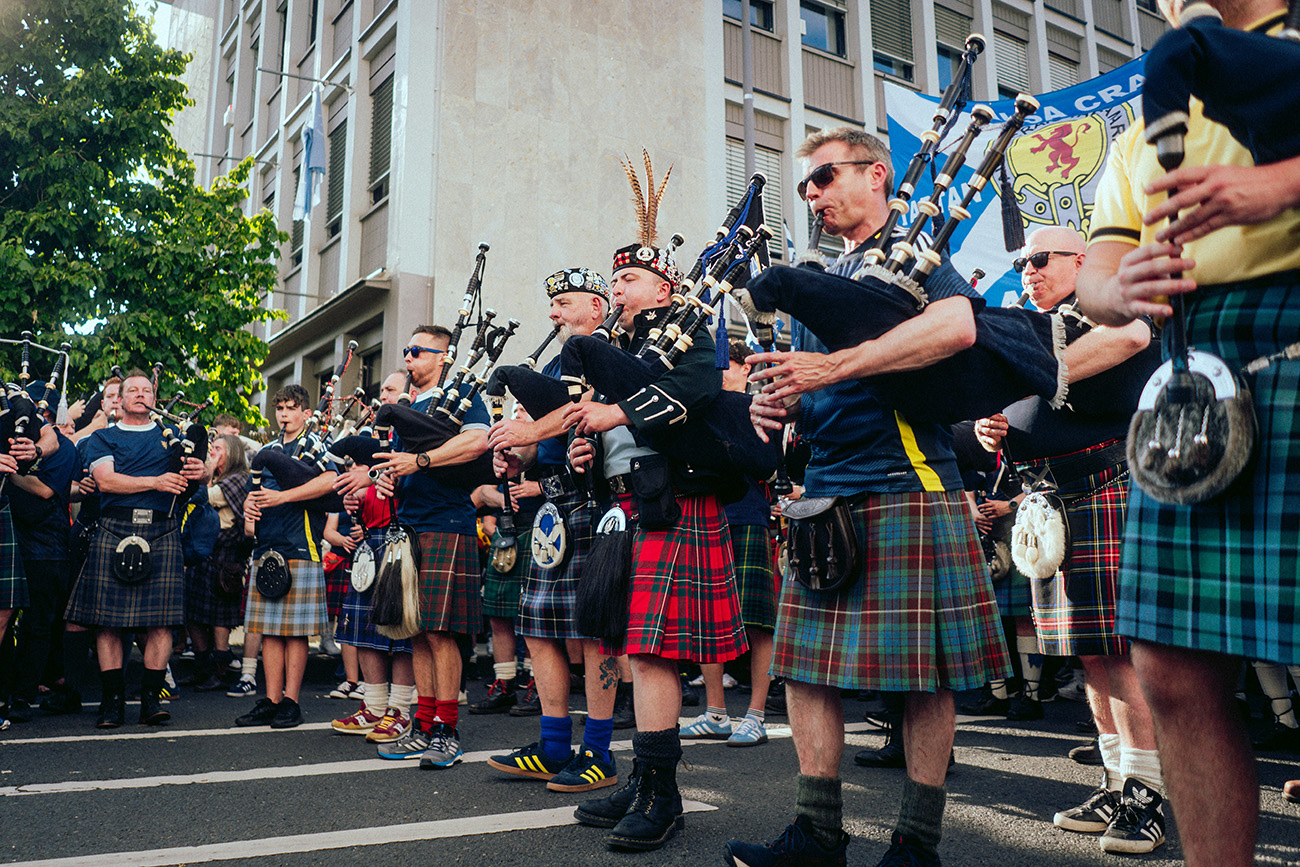
Scottish matchdays are built on ritual: pies and pints, scarves in the rain, songs echoing through packed stands. Beyond the roar of the terraces, conversations also extend into pubs and online, where fans debate lineups and share their matchday expectations. Yet what makes these Saturdays unforgettable isn’t just predictions or forecasts, it’s the sense of tradition and community that never fades.
The Pre-Match Arrival: Food, Pub & Banners
For many supporters, the day begins hours before kick-off. In smaller towns, local pubs double up as ritual zones. You’ll see scarves draped over chairs, fans in full colours ordering hearty fare, Scotch pies, chips, maybe even a full breakfast if the game’s early. On away days, long coach rides are broken up by roadside chip shops and corner bakeries, with fans balancing Styrofoam cups of tea while sharing predictions.
Inside the ground, there’s a theatre in the preparation. Banners are tied to railings, flags are unfurled, and regulars greet each other in the same spots they’ve stood for decades. In Glasgow, organised tifos require hours of preparation and countless volunteers, while in places like Arbroath or Stirling, it’s about a few proud flags strung along the terraces, but the pride behind both is the same.
Chants, Songs & Supporter Identity
What Scottish football might be best known for is its sound. From the terraces rise chants that mark decades of tradition, rivalries, loyalty, and humour. Rangers fans belt out “Follow Follow,” Celtic supporters raise “You’ll Never Walk Alone,” while Hibernians still echo “Glory, Glory to the Hibees.” Even clubs lower in the pyramid have their local chants, often borrowed from pop tunes, reworked with witty lyrics to wind up the opposition.
These aren’t static traditions either. Lyrics evolve to celebrate new signings, poke fun at rivals, or immortalise a last-minute winner. Some chants last generations, others fade after a single season, but together they form the living soundtrack of Scottish football. Scholars have even argued that chants keep folk traditions alive, linking the present to history in ways that statistics never could.
Rituals Unique to Scotland
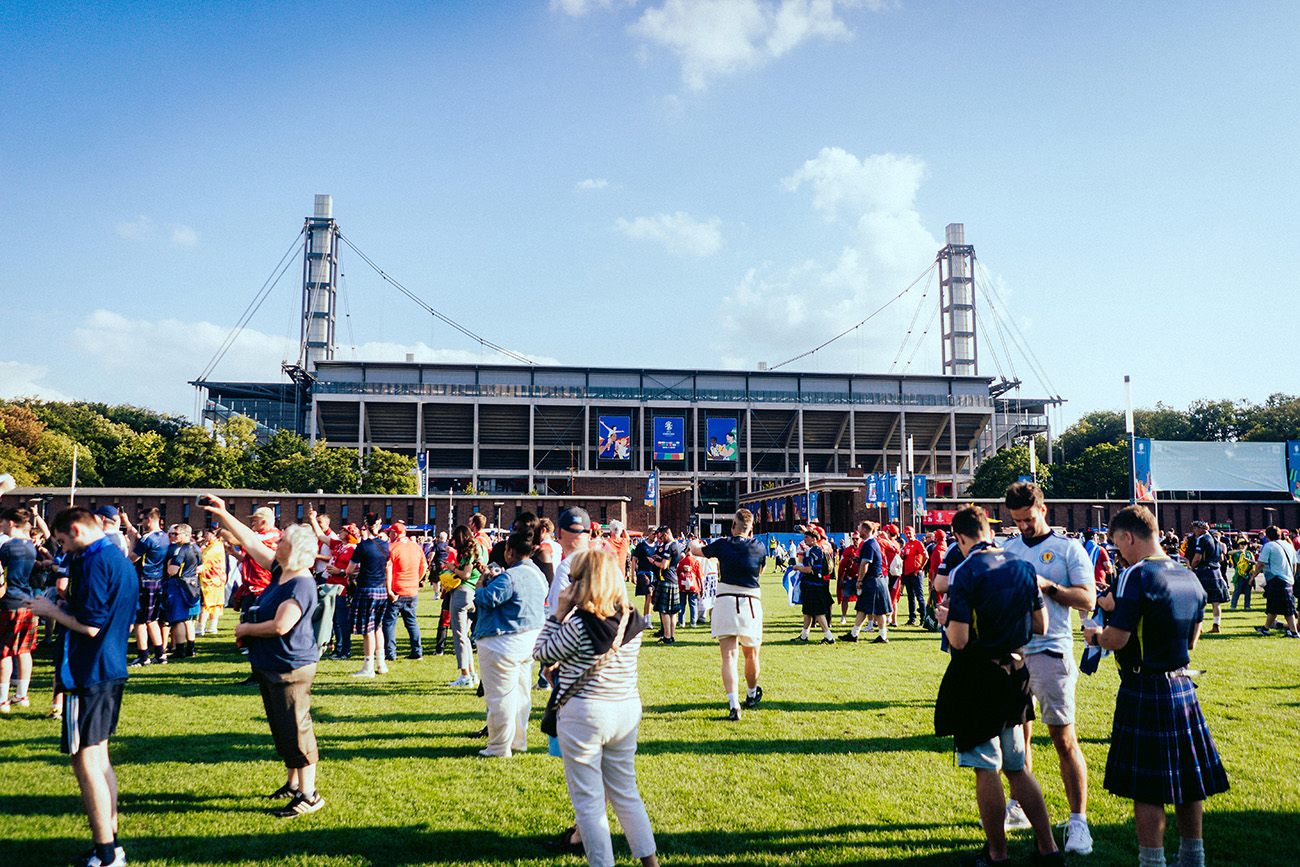
Certain rituals feel distinctly Scottish.
- Bagpipes and Drums: Especially before derbies or big finals, the drone of bagpipes mixes with the crowd noise, adding a cultural note that instantly sets the scene.
- Flower of Scotland: Sung at Hampden before internationals, the anthem is less a formality than a ritual; fans belt it out with voices cracking, reminding everyone that football here is also about national pride.
- Markets and Stalls: From Kilmarnock to Inverness, matchday isn’t just pies and Bovril; it’s local vendors selling everything from burgers to home-bakes, blending football with community spirit.
- Away End Bus Culture: Long journeys north to Dingwall or south to Dumfries are filled with song sheets, cans, and jokes. By the time supporters pile out, they’ve already been singing for hours.
Dressing & Superstitions
Not every ritual is loud. Many fans carry their own quiet traditions: lucky socks, walking the same route to the ground, even buying the same programme seller’s copy every week. For some, not following the pattern feels like tempting fate. Clubs themselves often have quirks, like warming up in front of the home end first, or certain players refusing to be last out of the tunnel.
These details might seem trivial, but they add weight to the experience. For fans who have been following their clubs for decades, doing things differently feels almost unthinkable.
Regional Flavour
What’s fascinating is how different parts of Scotland put their own spin on rituals.
- Highlands & Islands: Matches at Ross County or Elgin often involve fans travelling long distances, sometimes through brutal weather, which makes the act of arriving itself a kind of ritual. The camaraderie built on those journeys is as important as the game.
- Glasgow & Edinburgh: Bigger crowds mean bigger displays. Organised supporters’ groups spend weeks planning tifos and coordinated chants, ensuring the spectacle is both visual and vocal. By contrast, in England the Premier League has become the most globalized football product in the world, with international audiences, billion-pound broadcast deals, and fixtures that dominate betting platforms such as NetBet. Scottish football doesn’t operate on the same commercial scale, but its rituals remain deeply rooted in local identity, where fans measure the matchday experience less by TV coverage and more by the traditions they share on the terraces.
- Smaller Clubs: At grounds like Dumbarton or Forfar, it’s the intimacy that matters. Fans know each other by name, kids run to the same corner for autographs, and the halftime pie feels like part of the family tradition.
Why Rituals Matter
These matchday rituals are more than quirks. They are glue. They bind generations, offer continuity, and give football its soul. They survive relegations, boardroom scandals, VAR debates, and TV reshuffles. They turn ninety minutes into something larger: a weekly ceremony of belonging.
Even in a time when matches are streamed globally and fans debate results in real time on Twitter, the rituals keep things rooted. The feel of a paper ticket, the taste of a hot pie, the chorus of a chant that your granddad also sang, these make the sport what it is in Scotland.
Matchday rituals across Scotland aren’t going anywhere. They adapt, they evolve, but they remain. And when fans look back decades from now, they’ll likely remember not just the scorelines but the songs sung, the pies eaten, and the camaraderie on rain-soaked terraces. That’s the heartbeat of Scottish football.