

Football in Turkey has always been full of exciting derbies and loyal fans. But now everyone is talking about something other than the game itself. Attention is focused on a high-profile scandal. Some referees are suspected of participating in betting on competitions. One of the key aspects of the discussion was the mention of the referees' accounts. According to media reports, they may have been linked to predictions on websites, including the 1xBet mm platform. Discussions of this news caused a wide resonance. Even gambling fans questioned the fairness of football competitions.
The Turkish Football Federation has repeatedly faced problems with referees. The main complaints concerned:
- inconsistency of decisions on the field;
- suspicious appointments to key matches;
- frequent rotations of referee positions.
Against the backdrop of an already tense situation in the league, the news of the possible involvement of some referees in betting further exacerbated the situation. Information appeared on social media that a number of referees had accounts on betting sites.
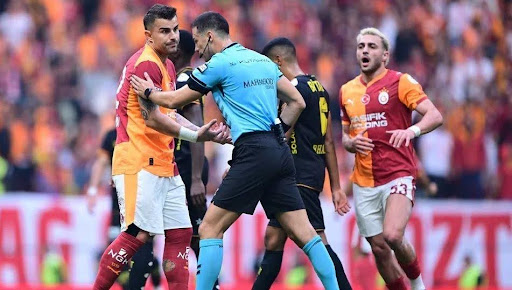
Confirmation of the integrity of the refereeing corps in Turkey
In October 2025, the Turkish Football Federation (TFF) announced an audit. According to the results of the analytical center against speculation on results, it was found that 65% of professional referees in Turkey had registered accounts on betting sites. In addition, numerous checks revealed that 152 referees were actively predicting football matches.
Several referees have already been suspended. As of November 2025, an investigation is actively underway with the involvement of the prosecutor's office. This event has severely damaged the reputation of Turkish referees, football clubs, and league management. Now, many fans have begun to doubt the integrity of refereeing. The investigation is still ongoing. However, the most important thing in the work of referees remains the same: transparency and honesty. These factors remain key to maintaining the reputation of the sport.
Details of the scandal
According to information from The Guardian, the TFF has published the results of an internal audit. The report claims that 371 of 571 active professional referees had registered accounts on betting sites. Incidentally, 152 referees actively placed bets, including on football matches. In some cases, the number of bets was enormous. One referee (whose name has not been disclosed) allegedly placed more than 18,000 bets. In addition, 42 officials placed more than 1,000 repeat bets on a specific event. This led to disciplinary proceedings and criminal investigations.
The TFF referred 152 individuals to the Professional Disciplinary Committee (PFDK) for review. Among those named are several top-level referees: Zorbay Küçük, Egemen Artun, Mehmet Ali Özer, Melih Kurt, Muhammed Selim Özbek, Seyfettin Alper Yılmaz, and Yunus Dursun. The PFDK has already imposed sanctions on a number of referees. Egemen Artun and Yunus Dursun received 10-month suspensions, while Mehmet Ali Özer, Muhammed Selim Özbek, and Seyfettin Alper Yılmaz received 8-month suspensions. The investigation continued for Zorbay Küçük and Melih Kurt.
In addition to specific terms, the TFF reported sanctions ranging from six months to a year. It is important to note that such a scandal could result in the loss of the right to referee if the established threshold is exceeded.
According to a Reuters source, the prosecutor's office expanded the case. The police conducted searches and arrests. In early November, more than two dozen arrest warrants were issued. Seventeen referees and several club managers came under scrutiny. One of the most prominent was the president of one of the top division teams, Eyüpspor. A number of suspects were charged with abuse of office and possible influence on the outcome of matches. Some of those detained were taken into custody for questioning. European organizations are also monitoring the situation for possible additional sanctions against referees with restrictions on admission to the game.
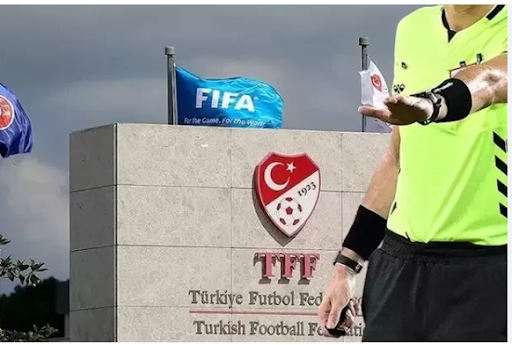
Why referee audits are necessary
Football matches attract the attention of millions of fans, investors, and the media. However, behind the spectacle lies a complex management system. In this case, referees play an important role. Their decisions directly affect:
- the outcome of the tournament;
- the reputation of the teams;
- the movement of financial flows in the betting market.
That is why auditing soccer referees is becoming a key tool in managing risk and maintaining the integrity of competitions.
Referees are in the spotlight and under a lot of pressure. Erroneous or ambiguous decisions can cause public scandals. It also undermines confidence in the entire league. Therefore, regular auditing is important for several reasons:
- Monitoring integrity and independence. Checking the finances, behavior, and connections of referees reduces the likelihood of corrupt influences.
- Increased transparency. Detailed reports and monitoring of referees' decisions. This makes the system more open to teams and fans.
- Risk prevention. Early detection of inconsistencies helps avoid major scandals.
- Building trust in competitions. Fans and clubs must be confident that the result is determined by the game, not behind-the-scenes factors.
The integrity of referees is directly linked to the risk of violating the fair conditions of sports competition. This is especially important in the betting market. Any suspicion of match-fixing affects odds, betting lines, and bookmakers' financial turnover. Looseness in the refereeing center can lead to manipulation of game episodes. It is the referees who can discreetly influence the outcome, as in the case of fouls and penalties.
They benefit from insider information. This creates a negative environment for clubs and players, as well as for the entire football economy.
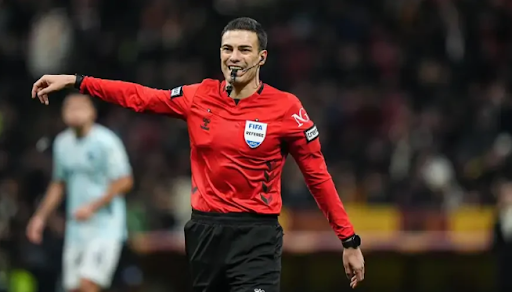
Consequences of not having an audit: a real-life example
Auditing soccer referees isn't just a formality. Today, it's a full-fledged tool for protecting the integrity of the sport. It helps build trust in competitions. Plus, it reduces the influence of outside economic and political factors. This helps keep the industry stable. In an environment where stakes, investments, and reputational risks are becoming increasingly high, control over refereeing plays a strategic role for the future of soccer.
|
Problem |
Consequence |
Impact on football |
|
Lack of control |
Growth of corruption schemes |
Loss of trust in the league |
|
Lack of transparency |
Scandals and media coverage |
Deterioration of international image |
|
Impact on the betting market |
Fluctuations in odds and losses for bookmakers |
Financial instability of the industry |
If, following the scandal involving referees in Turkey in 2025, no audit had been appointed, the consequences could have been extremely serious. The consequences would have affected the entire football system in the country.
First of all, the decline in the confidence of fans and clubs in refereeing would have continued. Every controversial decision would become a reason for new accusations. This would exacerbate tensions in the leagues. Secondly, the situation would create a favorable environment for the further development of possible corrupt practices. The absence of an audit is perceived as a signal of impunity. An audit is important in all circumstances.
In addition, international football organizations such as UEFA could intervene. This would jeopardize the licensing and participation of Turkish clubs in European competitions. The betting market would also come under serious pressure. Fluctuations in odds, suspicions of manipulation, and a decline in investor interest would be the natural outcome. Overall, the lack of auditing could undermine the foundation of integrity and reputation of Turkish football as a whole.
Reaction of the accused
Most of the suspended referees claimed that they did not influence the matches. They also claim that some of the bets could date back to their “amateur” period before their professional careers. In addition, some filed a collective statement refuting the allegations. Clubs and fans are demanding transparency. Several teams have asked the prosecutor's office to participate in the investigation as injured parties.
The scandal undermines confidence in the fairness of refereeing and the integrity of the championships. Final legal verdicts and possible long-term bans/dismissals of referees will be key. This approach will help restore the trust of loyal fans.