
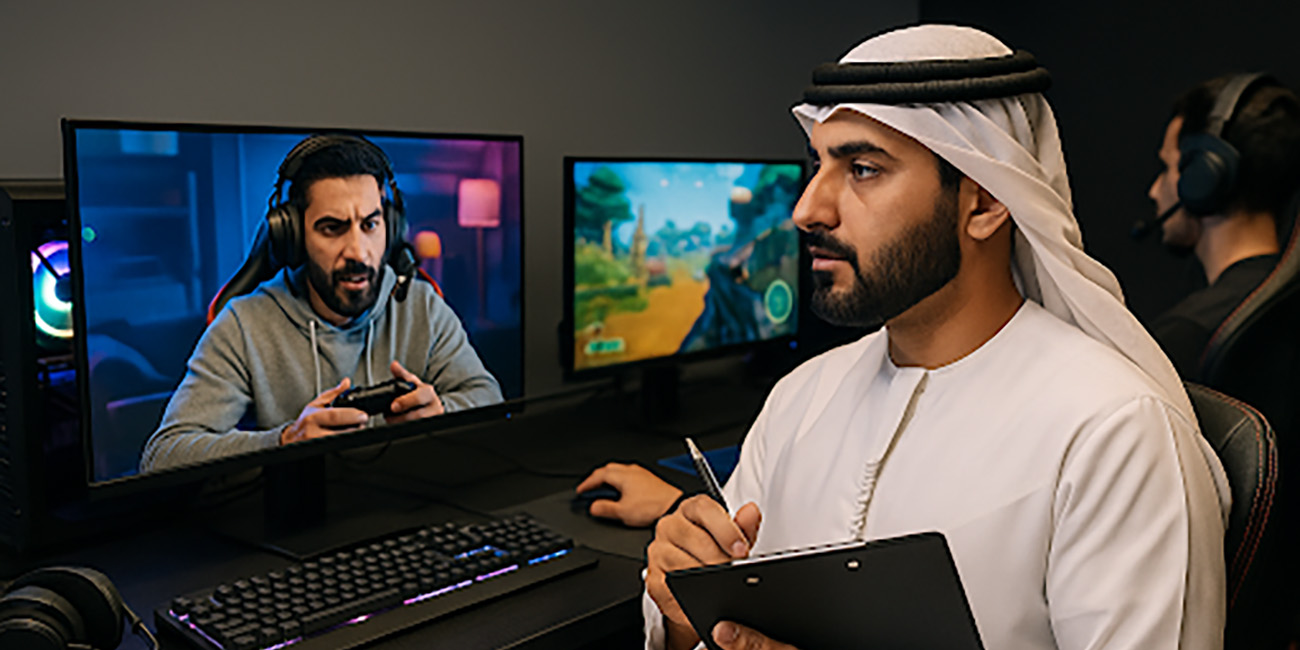
In the past, gaming was only a leisure. Few thought of it as a workplace. Yet, with time, competition grew into a structured business. Players became professionals. Events turned into global shows. Today, eSports stands beside media, design, and technology as a respected career field.
This shift has opened doors for people from many paths. Developers, commentators, analysts, and managers work behind every match. Technology links them all, from tournament streams to real-time statistics. The same digital structure drives platforms such as join 1xbet in Qatar, where strategy and data meet entertainment. Both fields thrive on skill, timing, and precision rather than luck.
Across the Arab world, this growth inspires youth and professionals alike. Cities host gaming festivals, academies train local talent, and investors see opportunity in digital play. eSports has become more than competition; it is a growing market built on creativity and knowledge.
New Professions Emerging
The eSports scene needs far more than players. Teams hire technical experts and event managers. Behind each broadcast are editors and sound engineers. Their work shapes the experience long before the first match begins.
As competitions expanded, the demand for structure increased. Team organisations mirror football clubs, with contract specialists and psychologists among their staff. This approach keeps the business stable and players focused. The industry now offers real employment, not short-term enthusiasm.
Main Career Tracks
Over time, professionals have found clear routes within the eSports market:
• Technical jobs in development, streaming, and system maintenance.
• Team operations covering coaching, logistics, and management.
• Media and marketing roles that handle storytelling and sponsorship.
• Data analysis for performance tracking and betting models.
• Event coordination and production for live or online tournaments.
Each branch combines technology with human insight. The variety of roles makes eSports accessible to many skill sets, from design to finance.
Technology at the Core
The rapid growth of eSports would not exist without technology. Faster networks and improved hardware allowed instant play across continents. Cloud-based services made hosting tournaments easier and cheaper. Data storage, visualisation, and analysis tools now define every match.
Artificial intelligence also plays a silent role. It helps evaluate strategies, predicts performance, and improves streaming quality. As systems grow more advanced, they merge entertainment with research, giving audiences smarter and smoother viewing.
Economic Value and Stability
What started as friendly matches has grown into a big business. Sponsors, advertisers, and colleges help it get even bigger. Many educational institutions already offer courses in game management or digital communication. In these spaces, eSports become a driver of employment, linking youth ambition with modern economics.
Gulf states have recognised this potential early. Qatar and the UAE invest in gaming infrastructure, hosting international events that attract both local fans and global talent. These initiatives encourage skill development and regional collaboration.
Diverse Skills Behind Success
In eSports, being ready and flexible is key to winning. Experts from different jobs are getting in, and they are using their skills to change how things are done. The following areas have become particularly active:
• Creative production, including graphics, animation, and branding.
• Financial modelling, useful for prize management and sponsorships.
• Translation and localisation, essential for multilingual tournaments.
This diversity strengthens the market, creating sustainable careers far from the screen.
Analytical Thinking and Betting Logic
The thinking that helps eSports players succeed also fuels today's betting scene. Experts look at past games, strategies, and timing. Their systems are like those used by analysts in gaming competitions. Being correct and doing things the same way each time are more critical than chance.
Many pro bettors have played video games before, where planning is key. This link shows that eSports and betting both rely on study, not just good fortune. Both give value to skill and getting ready.
Looking Ahead
For many decades, traditional sports shaped public life. Now, digital competition follows the same path. eSports combines creativity, logic, and business in a way few industries achieve. It attracts young minds and rewards innovation more than hierarchy.
In the Arab region, it fits a wider cultural shift towards digital careers. Governments support technological progress, and private investors see potential in new professions. eSports embodies that transformation - a world where entertainment meets expertise, and where a passion once seen as a hobby becomes a lifelong career.