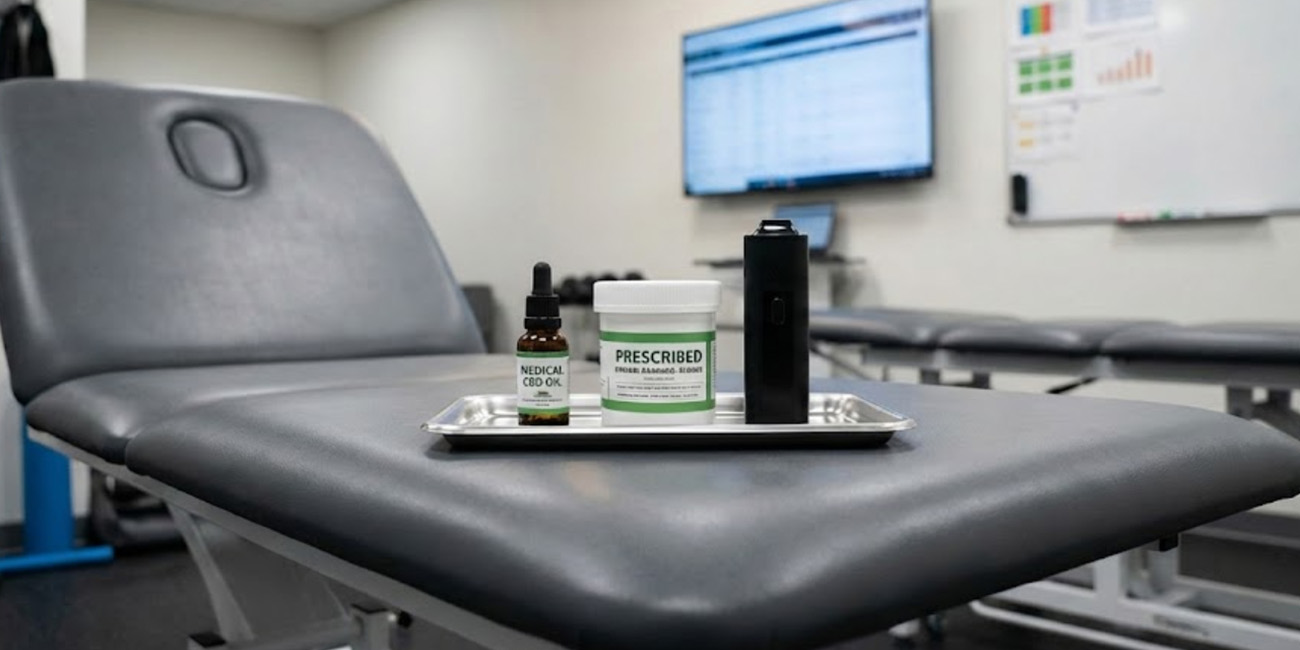
Athletes and fitness enthusiasts are always searching for safe, natural ways to boost performance and speed up recovery. The global exercise and sport supplement business is worth some $18 billion a year according to market estimates. One of the fastest growing sectors of the space is, surprisingly to many, medical cannabis. So, why is this and how does medical cannabis work with exercise and the body?
This article will look at how the main compounds in cannabis flower - tetrahydrocannabinol or THC and cannabidiol or CBD - may be used in physical therapy in sports and exercise. It will look at the very different markets for the two compounds and what the science says about their efficacy, as well as the latest in ongoing research and developments in the field.
CBD is a Non-psychoactive Cannabinoid with Anti Inflammatory Properties
In this part of the medical cannabis sector, CBD is the most interesting compound of the cannabis plant. Its dominant psychoactive cousin THC is the main compound in cannabis flower, but it's usefulness in physical therapy remains debated. It is also illegal without a prescription in the UK, as well as in many professional sports.
For example, many of the best weed strains - as rated by medical patients - would not be suitable for physical therapy. However, others with higher levels of CBD and lower THC, or particular strains like sativa dominant options, could be useful in a non professional setting with a prescription.
CBD on the other hand is totally legal in the UK (outside of CBD flower). Research suggests it has anti inflammatory, pain modulating and analgesic (painkilling) effects. It has seen use among many professional athletes in football and other popular global sports, mostly as a topical ointment aiding muscle recovery after exertion.
CBD is also proven to effect stress and sleep regulation, which gives it a holistic range of potential physical and mental benefits when it comes to sports and exercise.
CBD is also Fully Legal in the UK and Used in Real World Sports
CBD is no longer on the list of banned substances in global sport as regulated by the World Anti Doping Agency (WADA). Athletes in mixed martial arts, cycling and running have all endorsed CBD both personally and commercially for CBD product brands.
And, of course, where professionals tread recreational athletes and sportspeople follow.
CBD has been shown by research to be useful for athletes in the following ways:
- Treating delayed onset muscle soreness after physical activity by reducing inflammatory cytokines
- Improving sleep quality and reducing pre performance anxiety
- Promote muscle recovery and relaxation post exertion
However, this doesn't come without some considerations. For example, full spectrum CBD products may contain trace levels of THC - which could be problematic in professional sports. So, athletes are always reccomended to seek professional or at least experienced advice before buying anything. Not all CBD brands are created equal either, so athletes will want to do the research to find a trusted brand that is certified medical quality.
CBD is also not a substitute for other physical recovery strategies and therapies, and should not be looked at in isolation as a post exercise cure all.
Things are More Complicated with THC
THC, although legal with a prescription in the UK, has a more complex relationship with sports and exercise science. While it is at this point a proven effective painkiller, medical THC has not been shown to be topically useful in the same way as CBD. It can also impair motor control and perception - especially at higher doses.
In terms of professional sports, for example football, medical cannabis patients who want to compete in them will have to apply for a Therapeutic Use Exemption with the Football Association or other appropriate governing body.
The psychoactive effects of THC, compared to the non-psychoactive CBD, could also prove difficult in a professional sports game. In fact, many sports governing bodies - including the FA - may decide that inebriation can lead to a safety risk. However, should THC still be present in the system from medication taken prior (24 hours before) the competition, an official Therapeutic Use Exemption will apply.
The various medical cannabis strains in the UK are only available on prescription. Meaning a licensed clinician will guide you through the process of choosing the right strain for your needs. For example, vaped or sprayed medical cannabis for chronic pain due to old sports injuries could allow patients to resume sporting activity - if the right strain and method of delivery is chosen.
On the anecdotal side of things, some non professional long distance runners in recreationally legal markets have reported low doses of THC helps them tolerate pain, enter flow states and sleep better during and after long periods of exertion. But patients would be not be prescribed for such in the UK market.