
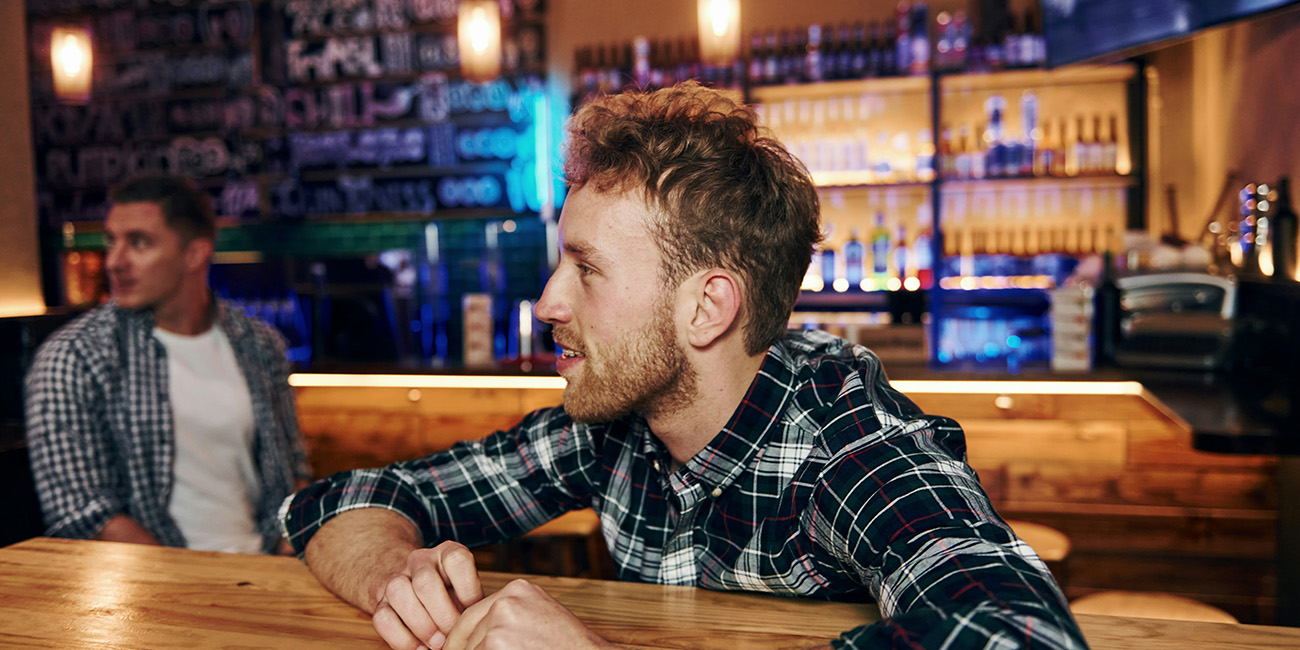
For most people in Britain, the pub has never been just a place to drink. It is where football gets argued over, friendships get tested, and habits quietly form. Gambling slipped into that world long ago, not as a headline activity, but as something that fit naturally alongside everything else.
Long before betting apps and smartphones, pubs already had cards on tables, dominoes in the corner, and later fruit machines glowing beside the bar. Today the setting looks more modern, but the behaviour is familiar. A match on the screen, phones on the table, someone checking odds, someone else tapping a screen on the walk home.
A Short History of Gambling in British Pubs
Gambling did not arrive in pubs as a disruption. It arrived as a pastime. Early pub games were informal and social. Cards were played for drinks, dominoes for pride, and small wagers were often part of the banter rather than a serious financial decision.
The real shift came in the second half of the twentieth century when fruit machines became common. By the 1960s and 1970s, they were part of the furniture in many pubs. Simple mechanics at first, then nudges, holds, flashing lights, and eventually video screens. They were designed for short sessions that fit neatly between rounds.
Regulation followed as these machines spread. Categories were introduced, limits placed on stakes and payouts, and licences became part of running a pub. Even so, gambling inside pubs was rarely treated as unusual. It was framed as light entertainment, not a destination in itself.
What still feels like classic pub gambling today:
- Fruit machines tucked near the bar or by the toilets
- Informal card or board games played among regulars
- Small, spontaneous bets on football scores or first goal scorers
Why Late Night Pubs Invite Risk Taking
Timing matters. As the evening turns into night, the atmosphere changes. Families head home. Groups of friends stay out. Alcohol lowers caution, noise fills the room, and football adds emotion. In that setting, small risks feel smaller than they really are.
Surveys in the UK suggest that around 50 % of adults have played a fruit machine at some point, rising to about 65 % among people aged 25 to 44. For many, this is not about chasing money. It is about filling time, doing something familiar, or copying what others around them are doing.
Football sharpens this effect. Matches provide natural breaks and emotional spikes. A missed chance, a VAR check, a late corner. Each moment invites reaction, and sometimes that reaction turns into a quick bet.
Pints, Screens and Spontaneous Bets
A typical scene plays out every weekend. A pub packed for a live match. Friends leaning forward as the game tightens. Someone mentions the odds drifting. Another opens an app during a stoppage in play.
The bet often feels like part of the conversation rather than a separate decision. Live markets make this easier by mirroring the rhythm of the match. Next goal, next corner, next card. After a few drinks, the line between talking football and betting on it becomes thin.
From Fruit Machines to Phone Slots
What used to happen on a pub machine now often happens on a phone. The behaviour is similar. Short sessions, quick outcomes, low effort. The difference is that the habit no longer ends when the pub closes.
Many people describe it as carrying the same rhythm home. Scrolling through a casino lobby feels like scanning machines by the bar. Bright colours, simple rules, familiar themes. That is where online slots, including light hearted titles you would expect to see in a typical the dog house casino game selection, slide into the routine without much thought.
The Social Side of Late Night Gambling
For most pub goers, gambling is not a solitary activity. It is shared. Friends comment on each other's bets, laugh at near misses, celebrate unlikely wins. The money often matters less than the moment.
This social layer now extends online. Group chats, forums, and tipster threads run alongside the pub table. A suggestion seen on a phone becomes part of the discussion. A screenshot of a winning slip gets passed around. The pub acts as an offline meeting point connected to a wider digital world.
How pub habits spill into online play:
- Watching football in pubs while placing live bets on phones
- Sharing tips and predictions from online communities
- Continuing short gaming sessions at home after closing time
Keeping the Ritual in Check
There is a risk behind all of this. Research into fast paced gambling shows that speed, repetition, alcohol, and social encouragement can amplify losses. The environment makes it easier to keep going, especially when everyone around you treats it as normal.
That is why regulation in the UK has increasingly focused on limits. Lower stakes, slower game speeds, clearer information, and national self exclusion tools are aimed at moments where gambling slips from background habit into something more harmful.
Pub culture and gambling are unlikely to separate any time soon. They have grown together for decades. The challenge is recognising when the ritual stays social, and when it quietly turns into something more expensive, whether that happens at the bar or on a phone after midnight.