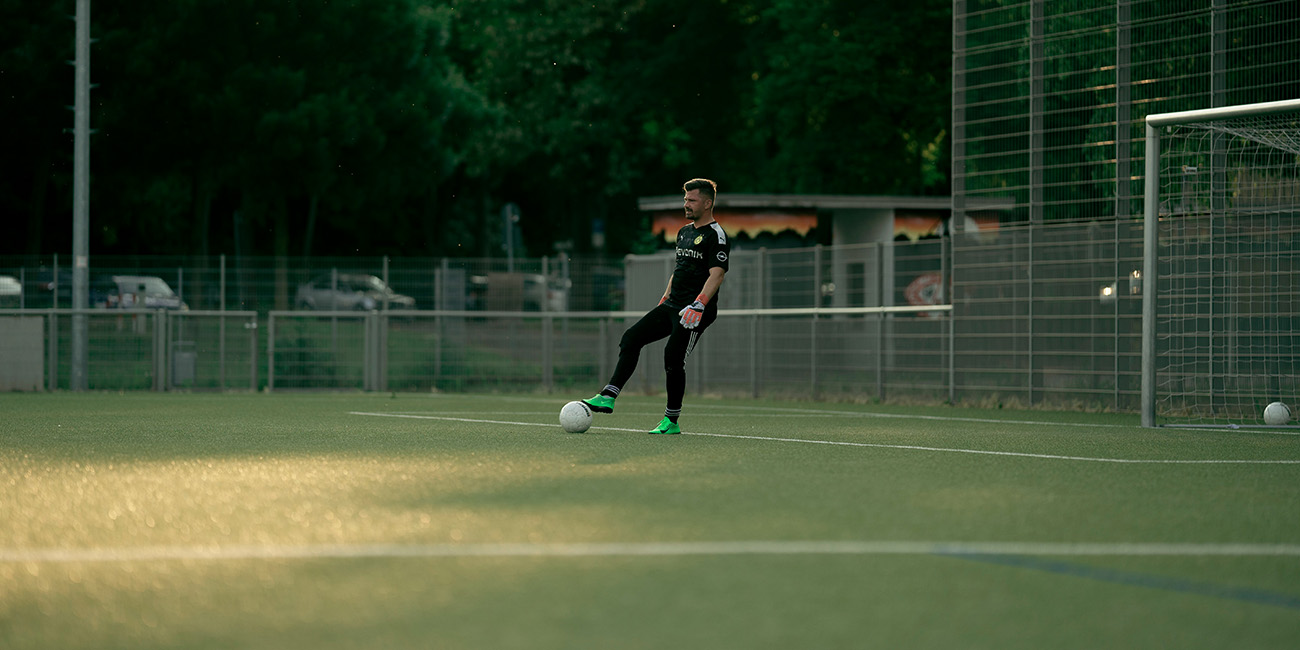
There is a very specific atmosphere to a Sunday morning football pitch in Scotland. It’s a sensory cocktail of Deep Heat, damp grass, stale lager sweating out of pores and the looming sense of existential dread. You are standing in a park in Coatbridge or Cowdenbeath, the wind is cutting through your base layer and you are wondering why you didn't just stay in bed with a roll and sausage.
But then, you look across the halfway line. The opposition has arrived. And annoyingly, they look like a proper football team. They have matching tracksuits. They have a warm-up drill that involves cones rather than just blasting the ball at the keeper’s face. And most importantly, their strips look legitimate.
Meanwhile, your lot are wearing a mismatch of socks, the goalkeeper is wearing jogging bottoms and your striker is smoking a fag behind the goals.
We all know the old cliché: "All the gear, no idea." But let’s be honest, in the muddy trenches of amateur football, perception is everything. If you walk onto that pitch looking like a cohesive unit, you are already 1-0 up in the psychological battle. This is the guide to giving your pub team a glow-up, because if you are going to get battered 5-0 in the rain, you might as well look good doing it.
The Template Kit Dilemma
Let’s be honest with ourselves, unless you’ve got a sugar daddy running a local scaffolding firm, you’re probably stuck buying the same generic template kit as half the league. And belive me, there is nothing worse than turning up on a Sunday and realizing the opposition is wearing the exact same blue-and-white strip, making the match look like some glitch in FIFA. The only way to escape this catalogue purgatory is in... you guessed it. The details. Ditch those cheap "vinyl" stickers that peel off after one wash and go with something that will earn you respect, regardless of how you play.
Even if you are working with a tight budget, upgrading the badge is the single most effective way to elevate the kit. By designing a unique crest (please, no clip-art lions) and ordering custom soccer patches to stitch or heat-press onto your generic shirts, you instantly separate yourself from the herd. It adds texture, it adds class and it gives the big centre-half something to grab when he kisses the badge after scoring a tap-in from two yards out.
The Psychology of the "Badge"
There is something primal about putting on a shirt with a badge on it. It taps into the tribal part of the brain. When you are wearing a plain t-shirt, you are just Dave from Accounts. When you pull on a shirt with the "Dog & Duck FC" crest on the chest, you are a warrior.
This identity is crucial for keeping a team together. Amateur football is an admin nightmare. Chasing people for subs, finding a pitch that isn't waterlogged and making surre you have eleven players sober enough to drive is a full-time job.
Building a brand (yes, even for a Sunday league team) helps with retention. If players feel like they are part of a "project," they are more likely to turn up on a freezing February morning. The kit, the badge, the patches on the training gear, it all contributes to the delusion that we are playing for something important. And honestly, that delusion is the only thing keeping the amateur game alive.
The "Sponsor" Situation
Of course, looking pro isn't just about the club crest. It’s about the sponsor. Nothing screams "Premier League" like having a sponsor across the midriff. Conversely, nothing screams "Pub League" like having the logo of a local Kebab House in Comic Sans font.
If you can’t get a local business to cough up £300 for a set of strips, get creative. Some of the best amateur kits in Scotland have come from teams sponsoring themselves or supporting a local charity.
But again, execution is key. If you are going to the effort of sourcing quality woven badges for the crest, don't ruin it with a cheap, peeling sponsor logo. Treat the shirt with respect. If you look at the lower leagues of Scottish football, the cult hero kits are the ones where the design is thoughtful. It doesn't have to be complex; it just has to look finished.
The Reality Check
So, you have done it. You have designed a crest that looks like 1970s AC Milan. You have ordered the custom patches and applied them to a smart, obscure colourway strip. You have matching socks. You look like you could give a Championship side a run for their money in the Scottish Cup.
Then the whistle blows.
Your left-back is still hungover. Your midfielder has just tried a Cruyff turn on a patch of mud and dislocated his own pride. You are 3-0 down after twenty minutes.
Does the kit matter then? Absolutely. Because when you are trudging off the pitch, soaked to the bone and defeated, you can hold your head high knowing that, aesthetically at least, you won. You have built a club identity. You have turned a group of randoms into a team. And in the bar afterwards, when the pies are being passed around and the post-mortem begins, you look like a unit.
Ultimately, football at this level isn't really about winning (which is lucky for most of us). It’s about belonging. It’s about the stories, the banter and the absolute absurdity of grown men taking a game so seriously. If slapping a professional-looking badge on your chest helps keep that dream alive for another season, then it’s the best investment you will ever make. Just don't expect it to help you beat the offside trap.