
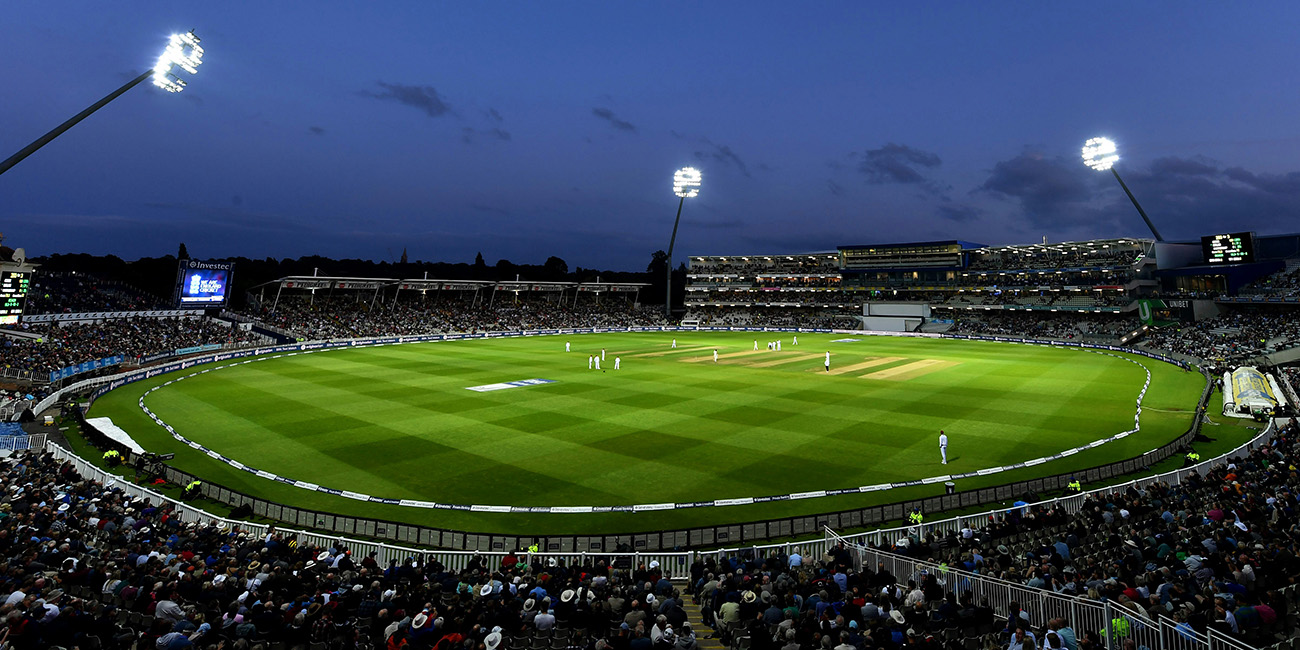
There are exits from international tournaments that at least feel vaguely palatable. Losing to England in Kolkata on matchday three of the T20 World Cup was not one of them. It effectively drew the curtain on Scotland’s campaign, and it did so against an England side that had already shown vulnerability. They had slipped up against the West Indies in the previous game and yet when the moment arrived, Scotland blinked.
Kolkata Was Hard to Swallow
It was not as though the wider landscape was overwhelming. If you were to bet on cricket in the 2026 outright markets, you would find England priced at 15/2. That keeps them involved in the wider conversation, without anyone taking their chances too seriously.
Rather, the latest cricket tips continue to point towards India in home conditions as the benchmark every other nation must clear. Even if Scotland weren't likely challengers to the hosts, that group stage felt like one of those rare occasions when narrative and opportunity aligned.
Instead, it passed them by. Scotland have been here before across sports: competitive, within reach, then undone by hesitation or execution.
Scottish sides typically don't receive generous sporting windows. When one appears, it demands conviction. In Eden Gardens, Scotland found the opening but not the authority to force it wider.
Still, sport rarely unfolds in straight lines. On the same weekend that cricket hopes faltered, Scotland reclaimed the Calcutta Cup at Murrayfield. England were handled with composure and clarity. It served as a reminder that occasion alone does not decide outcomes. Application does.
💯 up for Gregor 🏴#AsOne pic.twitter.com/da2RE5W5Co
— Scottish Rugby (@Scotlandteam) February 15, 2026
Which brings us to this summer in North America.
From Eden Gardens to Group C
The expanded 48-team format at the 2026 World Cup offers something that feels, at least on paper, more navigable than previous editions. More pathways. More permutations. Less binary pressure.
And this time there is no speculation about the challenge ahead.
Scotland have been drawn into Group C alongside Brazil, Morocco, and Haiti. Brazil require little embellishment. Five world titles and a habit of ending Scottish World Cup afternoons, from 1974 through to the opening night in 1998. Morocco arrive with recent credibility after their semi-final run in Qatar. Haiti, from Pot 4, present the fixture that appears most attainable and therefore carries the greatest psychological weight.
It is a group that contains one giant, one proven contender, and one opportunity. In other words, familiar territory.
Familiar Territory, Familiar Tests
If the cricket lesson in Kolkata taught anything, it is that vulnerability in an opponent only matters if it is acted upon. Scotland were not overwhelmed. They were outmanoeuvred in moments that required clarity.
🗳️ We've been drawn into Group C for the 2026 @FIFAWorldCup.
— Scotland National Team (@ScotlandNT) December 5, 2025
🇧🇷 Brazil
🇲🇦 Morocco
🏴 Scotland
🇭🇹 Haiti #FIFAWorldCup pic.twitter.com/fGHdnZTLER
The expanded format offers margins. It does not offer guarantees.
For now, expectation remains measured, belief is cautious, and qualification from Group C will depend less on reputations and more on execution.
And that, as ever, is where Scottish sporting ambition either hardens or dissolves.