
Have you ever wondered why some athletes bounce back from gruelling workouts while others stay sidelined with muscle soreness? Hard training sessions are only half of the performance equation. The real gains happen during the repair cycle that follows.
Athletes who take that window seriously tend to stay healthier and train more consistently.
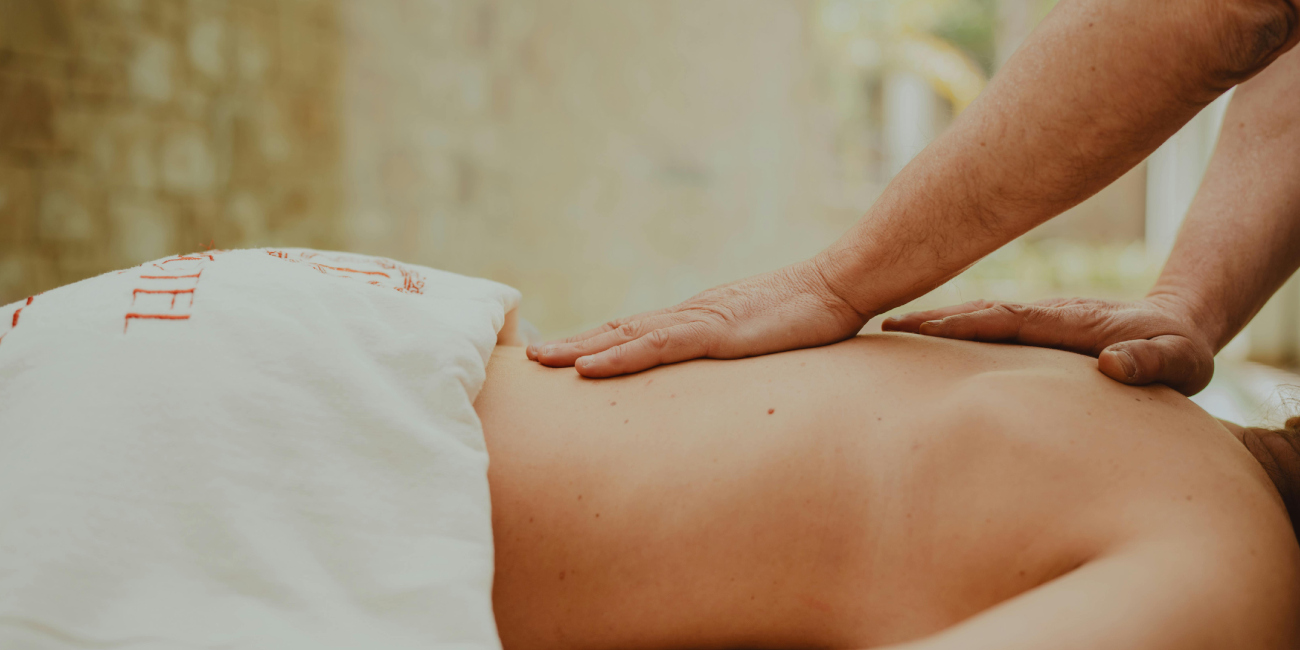
One of the most effective tools in that recovery arsenal is professional massage. Whether you are a competitive athlete building a smarter recovery routine or a therapist sharing clinical guidance, understanding muscle repair is essential.
These insights are grounded in sports science and real-world therapeutic practice. By moving away from reactive treatments, athletes can actively manage delayed onset muscle soreness and maintain optimal physical performance.
Implementing specific evidence-backed strategies ensures that intensive training translates directly into strength gains rather than prolonged downtime. Let us explore how to optimise this process.
1. Understand the Science Behind How Massage Accelerates Muscle Recovery
Before you can use massage strategically, it helps to understand what is actually happening in your body after a hard training session. Every time you push your muscles through high-intensity effort, you create microscopic tears in the muscle fibre itself.
This is a completely normal biological response and the necessary stimulus for muscle adaptation and growth. What follows is an inflammatory repair cycle.
Your immune system sends resources to the affected tissue to initiate a repair process that makes the muscle stronger than before.
This inflammatory response is also what causes delayed onset muscle soreness. This deep fatigue typically peaks somewhere between 24 and 72 hours after intense exertion. It is not an injury but rather a signal that your body is actively rebuilding.
Massage works on several physiological levels simultaneously. Manual pressure and tissue manipulation increase blood flow to stressed muscle groups to deliver oxygen and nutrients that support cellular repair.
Targeted strokes encourage the movement of lymphatic fluid to help clear metabolic waste products like lactate that accumulate during intense exercise. Focused work on the connective tissue surrounding muscles addresses tension patterns that restrict movement and impair recovery.
Research suggests that therapeutic massage helps modulate the inflammatory response to potentially reduce both the duration and severity of soreness. Massage was effective in alleviating delayed onset muscle soreness by approximately 30 per cent and reducing swelling.
Massage therapy applied after exercise‑induced muscle damage has been shown in multiple studies to reduce delayed onset muscle soreness and improve perceived recovery 24–48 hours later. Some protocols are associated with reductions in serum markers of muscle damage, such as creatine kinase, although results for blood markers and direct performance gains are mixed.
To facilitate these physiological changes, the clinical environment must support the physical mechanics of the practitioner.
Quality setups allow practitioners to consistently deliver the optimal pressure required for deep tissue adaptation. This is especially true when utilising Massage Tools' professional-grade electric treatment chairs .
Not all massage sessions serve the same purpose. Timing your sessions relative to your training load makes a significant difference in how effective they are.
Working with a licensed therapist who understands your training calendar allows these sessions to be scheduled strategically. Important timing windows include specific phases.
- Post-event within 48 hours is best for recovery-focused work like deep tissue and flushing strokes.
- Pre-event sessions 48 hours before the competition focus on lighter activation to increase circulation.
- Regular maintenance sessions address cumulative tension before it becomes a structural limitation.
|
Key Insight: DOMS is not an injury; it’s a biological signal that your body is actively rebuilding muscle. Strategic massage during this 24 to 72-hour window directly accelerates this repair cycle and minimises downtime. |
2. The Right Equipment Changes Everything and Elevates Sports Therapy
Most athletes evaluate a massage therapist strictly by their manual technique. Fewer think about the physical setup supporting that technique.
That environment has a direct impact on the quality of care delivered. When a therapist works from an improperly positioned surface, they must compensate physically.
Their posture shifts, and the precision of their pressure application is compromised. A therapist fatigued by ergonomic challenges cannot deliver consistent work across a full session.
Conversely, a properly calibrated height-adjustable treatment surface allows optimal body mechanics. That translates directly into better technique execution and a higher quality session for the athlete.
In sports therapy contexts, adjustable equipment offers a level of clinical versatility that stationary equipment simply cannot match. Hands-free electric height adjustment allows the therapist to reposition the client smoothly.
Ergonomic incline and backrest control support multiple treatment modalities within a single session. This allows seamless transitions from seated upper body work to fully reclined deep tissue protocols.
For clinical practice owners, sourcing equipment involves looking for options that understand professional demands. Equipping a space with purpose-built tools backed by practitioner experience ensures that the clinic operates smoothly.
Durable high-density upholstery withstands the high-friction demands of a busy clinical environment while maintaining professional hygiene standards. Stable reinforced frame construction provides the structural counter force necessary for the sustained firm pressure required in effective sports therapy.
When facilities invest in versatile seating and tables that prioritise functionality and longevity, they remove operational friction. ADA-compliant lift ranges ensure secure accessibility for clients of all mobility levels. The focus remains entirely on delivering restorative therapies that athletes rely on to stay competitive.
|
Pro Tip: Your massage is only as good as your therapist's mechanics. Clinics utilising adjustable electric treatment chairs allow therapists to maintain optimal leverage, resulting in more consistent, targeted pressure for your recovery. |
3. Build a Recovery Routine That Actually Sticks with Practical Tips
Knowledge about massage science only converts into results when it becomes a consistent practice. Building a recovery routine requires planning and clear communication. Reactive scheduling is one of the most common mistakes athletes make. Booking a massage only when you are already in pain means tension has already accumulated.
By that point, compensatory movement patterns have set in, and the session is spent unwinding a backlog. A strategic approach maps massage sessions directly to a training calendar.
Scheduling within 48 hours after heavy training days provides maximum benefit during the acute inflammatory recovery window. You can also plan one lighter session before a competition to improve the range of motion without causing fresh muscular fatigue.
During active training phases, utilize bi weekly maintenance sessions to prevent cumulative tension from compounding into dysfunction.
A competitive runner training five days per week might schedule a targeted deep tissue session on Thursday evening to recover ahead of a Saturday race. This timing allows initial post-massage tenderness to resolve while capturing maximum circulatory benefits. Massage is most effective as part of an integrated recovery system.
A few evidence-supported practices can dramatically compound its benefits.
- Drinking adequate water before and after sessions supports lymphatic clearance.
- Light mobility work between appointments maintains the range of motion gains achieved during sessions.
- The use of professional therapeutic massage oils reduces friction during work on larger muscle groups.
The most effective therapeutic relationships are highly collaborative. Athletes who treat their massage therapist as a passive service provider consistently get less from their sessions.
Before each session, clearly communicate specific soreness locations and whether the pain feels acute or chronic. Mention your recent training volume and intensity so the therapist can calibrate their session depth accordingly.
|
Important: Don't fall into the trap of reactive scheduling. Booking a massage only when you are already in pain means spending your session unwinding a backlog rather than optimising your active recovery. |
Now, It's Your Turn
Recovery is where performance is ultimately built. Massage used strategically alongside professional clinical practices is one of the most effective tools in that process.
Understanding muscle physiology and utilising well-equipped clinical environments compound into results that sporadic sessions simply cannot deliver. Building a proactive schedule ensures your body gets the consistent care it needs to perform.
Here are four things you can implement starting today
- Book a post-training massage within 48 hours of your next heavy session.
- Evaluate the clinical setup to ensure the environment utilises proper adjustable equipment.
- Build a proactive massage schedule aligned with your upcoming training calendar.
- Pair every bodywork session with strict hydration and light mobility work.
Which of these recovery secrets are you adding to your routine first? Do you already use a specific timing strategy that has made a real difference in how you bounce back?
Share your experiences in the comments below because there is always something to learn from how other dedicated athletes approach their recovery.
|
Author Profile: Massage Tools is the leading online retailer of professional-grade massage, spa, and medical equipment for practitioners across the wellness industry. |