
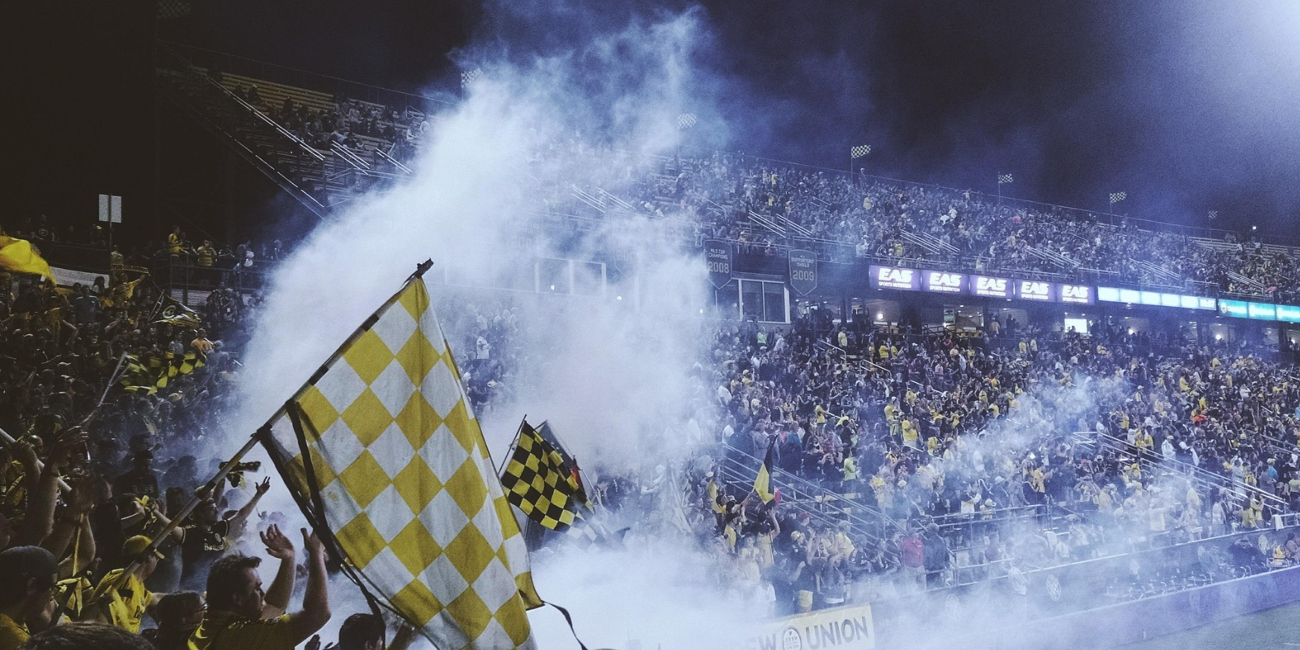
There’s something uniquely frustrating about the gap between football matches. One minute you’re standing in the cold watching your team grind out a 1–1 draw, the next you’re staring down five or six days with nothing but speculation, highlights, and group chat arguments to keep you going. For Scottish football fans especially, supporting a club isn’t just about Saturday, it’s a full-week commitment, equal parts hope, habit, and occasional self-inflicted stress.
The first 24 hours after a game are usually straightforward: you replay everything. The dodgy penalty decision, the missed sitter, the substitution that made no sense then and still doesn’t now. Whether you’re in the pub, on a forum, or scrolling your phone, the same conversations repeat with slight variations. It’s part therapy, part ritual.
Filling the Midweek Void
Then comes the lull. No match, no real updates, maybe a vague injury rumour or a training photo if you’re lucky. This is where fans start improvising. Some dive into stats to convince themselves things aren’t as bad (or as good) as they look. Others jump ahead to the next fixture, already predicting how it’ll go wrong.
For plenty, it also means drifting into other forms of football-adjacent entertainment, anything that keeps that sense of anticipation ticking over. That’s where something like betting on MrQ starts to feel less like a separate activity and more like a natural extension. If you already spend your time thinking about outcomes, probabilities, and “what if” scenarios, engaging with a platform built around quick, outcome-driven interaction fits the same mindset. It’s not replacing matchday, it’s filling the gap when there’s nothing to shout about.
The Habit of Prediction
Football fans love predicting things. It’s basically part of the job. Scorelines, lineups, first goalscorers, how long it takes before someone loses the head, everyone has an opinion, and most of them are wrong. That’s not really the point.
It’s the act of predicting that matters. It keeps you engaged, gives you a sense of involvement, and makes the eventual result feel personal. That mindset carries over easily into other formats. The structure might change, but the core idea, making a call and seeing how it plays out, stays the same.
Forums, Group Chats, and Absolute Nonsense
If there’s one thing that fills the gap between games, it’s conversation. Pie & Bovril itself proves that. Entire threads built on rumours, sarcasm, and the occasional genuinely good take. It’s chaotic, but it works.
Group chats are even worse (in a good way). Someone drops a stat, someone else dismisses it immediately, and suddenly you’re deep into an argument about something that happened days ago. It’s pointless, repetitive, and completely essential.
The Role of Routine
Supporting a football team is as much about routine as it is about results. You check the same apps, read the same sources, listen to the same voices. Even when there’s no new information, you go through the motions anyway.
That routine naturally extends into how fans spend their downtime. When there’s nothing happening, you gravitate toward things that feel familiar, structured, easy to dip into, but still offering moments of unpredictability. It’s less about the activity itself and more about maintaining that rhythm.
Knowing When to Switch Off
Of course, there’s a limit. As much as football can take over your week, it’s still worth stepping back now and then. Not every spare moment needs to be filled with analysis, debate, or distraction.
According to the BBC , maintaining a balance between screen time and proper downtime is becoming increasingly important, especially as digital habits take over more of daily life. It’s easy to stay constantly plugged in, but that doesn’t always mean you’re actually switching off.
The Build-Up Starts Again
By Thursday or Friday, things start moving again. Press conferences, predicted lineups, maybe even actual news. Suddenly the next game feels close, and the whole cycle resets.
Optimism creeps back in, whether justified or not. The focus shifts from what went wrong to what might go right. And just like that, you’re back in it.
The time between matches might feel like dead space, but for most fans, it’s anything but. It’s filled with discussion, prediction, distraction, and the occasional overreaction.
Whether it’s forums, group chats, or something else entirely, the goal is always the same: stay connected. Because supporting your club isn’t just about the 90 minutes, it’s about everything in between.